
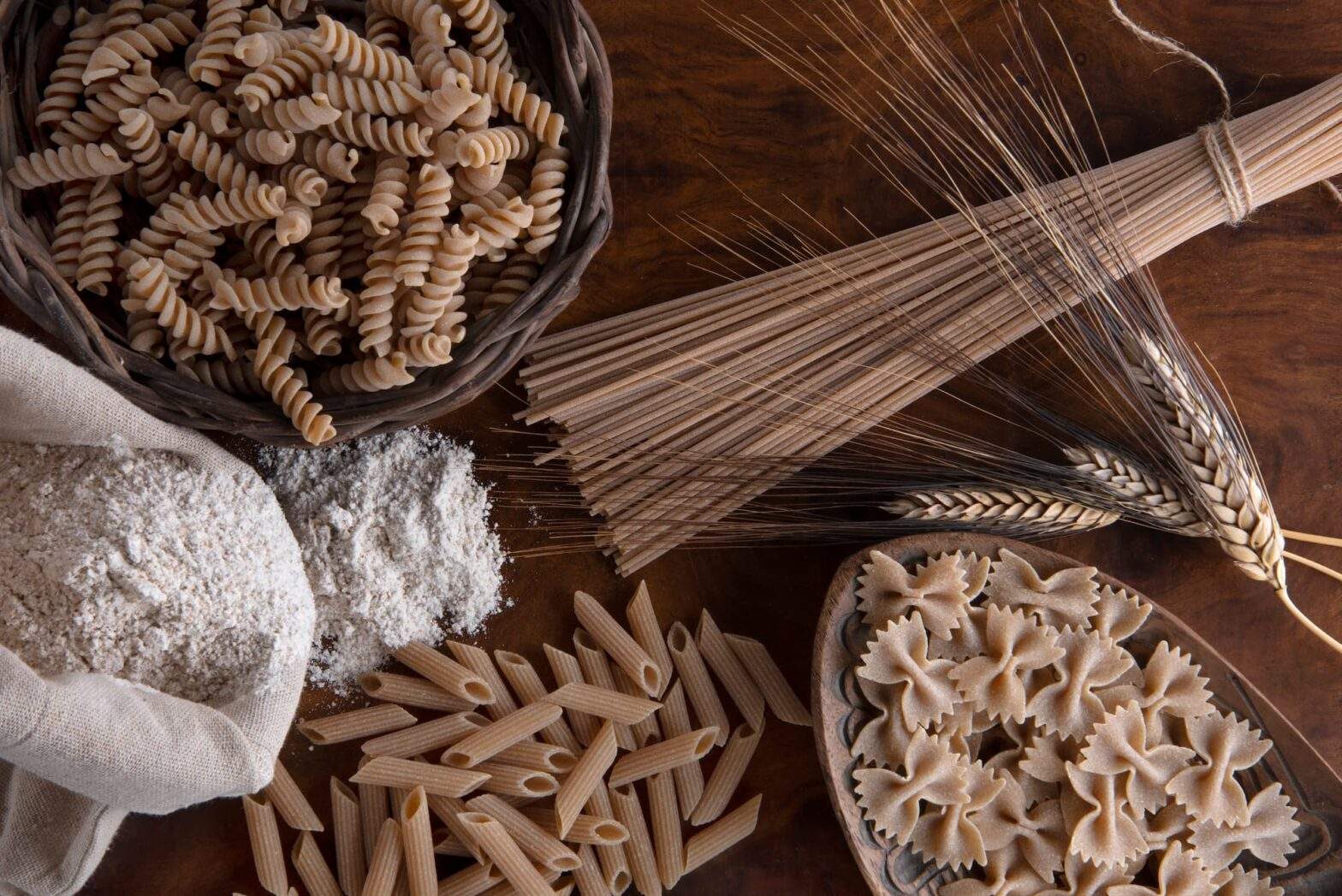
- Italian flours are categorized by how finely they are ground, ranging from coarse Tipo 2 to superfine Tipo 00.
- Tipo 00 flour is ideal for delicate Neapolitan pizza dough and fresh egg pasta due to its powdery texture.
- Semola rimacinata provides the structure, bite, and golden color required for rustic, extruded, or dried pasta.
Italian flour grading system relies on how finely the grain is milled rather than just the protein content. In Italy, flours are classified from 2 down to 00, with 00 being the finest powder available. Understanding these gradings is essential because the texture, absorption rate, and gluten development of each type directly dictate the success of traditional Italian dishes. Partenope Ristorante brings authentic Italian culinary traditions to your table by selecting the exact flour required for every traditional recipe.
Understanding the Italian Flour Classification System
The numbers on Italian flour packages indicate the degree to which the wheat bran and germ have been removed during milling. Tipo 2 is a whole-grain style flour with high bran content, while Tipo 1 and Tipo 0 are progressively more refined. Tipo 00 sits at the top of the refinement hierarchy, containing pure endosperm ground into a silk-like texture.
While American flours focus heavily on hard versus soft wheat labels like cake or bread flour, Italian categorization emphasizes texture and grind. Hard wheat durum yields coarse semolina, whereas soft wheat produces delicate farina. Selecting the correct classification ensures dough elasticity, proper moisture retention, and traditional mouthfeel.
The Versatile Tipo 00 Flour
Tipo 00 flour is the ultimate standard for soft, pliable doughs that require extreme stretch without tearing. Because it is ground so finely, it absorbs liquids quickly and forms a smooth, silky structure. Soft wheat Tipo 00 yields a light crust with signature char marks in high-heat ovens, which is why it serves as the essential foundation for Neapolitan style pizza.
This flour excels when making delicate egg-based pastas like tagliatelle or ravioli. The superfine grind allows the eggs and flour to blend seamlessly, producing thin pasta sheets that cook rapidly while maintaining a tender texture. At Partenope, using authentic Tipo 00 flour enables us to craft rich, traditional pastas and Neapolitan pizzas that honor true southern Italian techniques.
Semola and Semola Rimacinata
Semola is milled from durum hard wheat, offering a coarse, yellowish grain that provides strength and structural integrity to pasta. Semola rimacinata is re-milled durum flour, ground finer than standard semolina but coarser than soft wheat Tipo 00. This hard wheat flour possesses high protein levels that hold shape under boiling conditions, making it the ideal choice for rustic pasta shapes made without eggs, such as orecchiette or cavatelli.
Beyond pasta, semola plays a critical role in dusting baking surfaces and pizza peels. Its coarse granules prevent dough from sticking without over-absorbing into the wet crust. Combining semola rimacinata with soft wheat flour creates a balanced structure that gives artisan bread a sturdy crust and chewy interior.
General Farina Uses in Traditional Baking
Farina is the broader Italian term for flour, often referring to standard ground soft wheat used across everyday baking. While specialized recipes call for Tipo 00 or semola, general farina varieties handle cakes, crostata pastry crusts, and simple pan breads.
Using traditional Italian farina ensures baked goods achieve a delicate crumb without becoming overly dense. Knowing when to use farina versus semola allows home cooks to match the exact texture intended by centuries of Italian culinary heritage.
When you crave authentic Italian pasta and wood-fired pizza crafted from the finest ingredients, visit Partenope Ristorante in downtown Dallas, TX for an exceptional dining experience.
Featured Image: Carlo Zolesio/Shutterstock